Nashville, TN • Davidson & Williamson County
French Drain Installation in Nashville, TN
Most Nashville french drain projects cost $1,500 to $8,000 and take one to two days. A fabric-wrapped, rigid-pipe system can last 30 to 40 years in Middle Tennessee clay. Start with a free on-site estimate.
Free on-site estimate. No obligation.
French Drain & Drainage Services in Nashville TN
We serve homeowners across Nashville and Davidson County. French drain installation Nashville TN is the primary focus, and requests for all residential drainage problems are welcome.
French Drain Installation
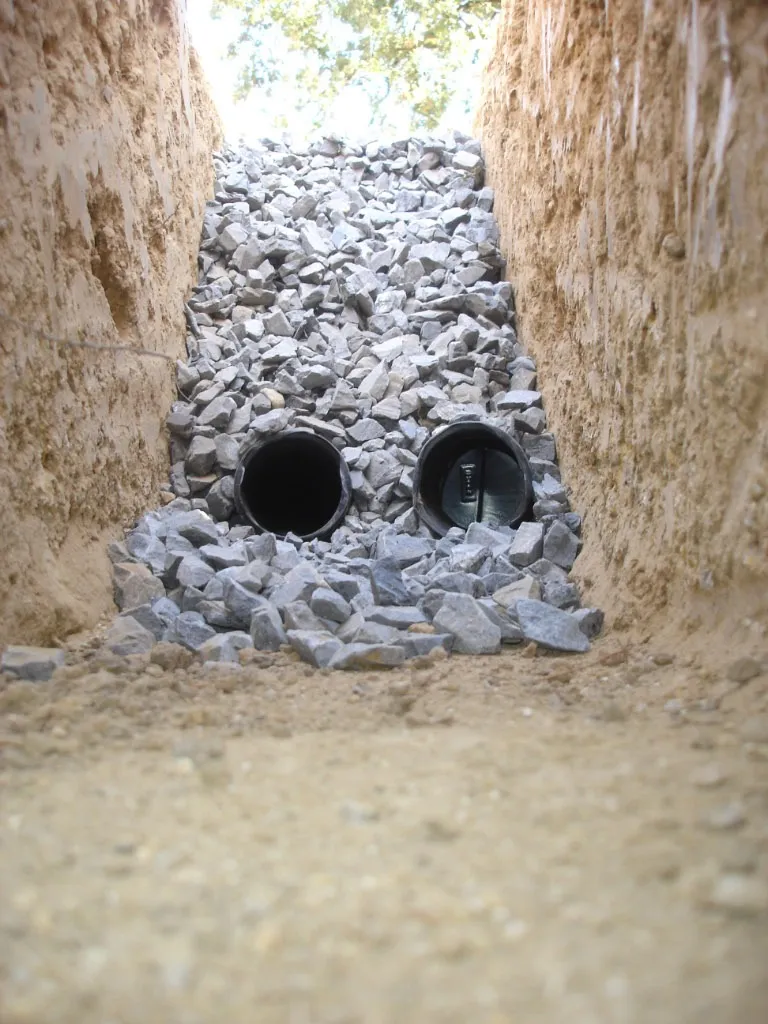
Perforated pipe systems installed in gravel-filled trenches to redirect water away from foundations, basements, and saturated yard areas across Nashville and Davidson County.
Details →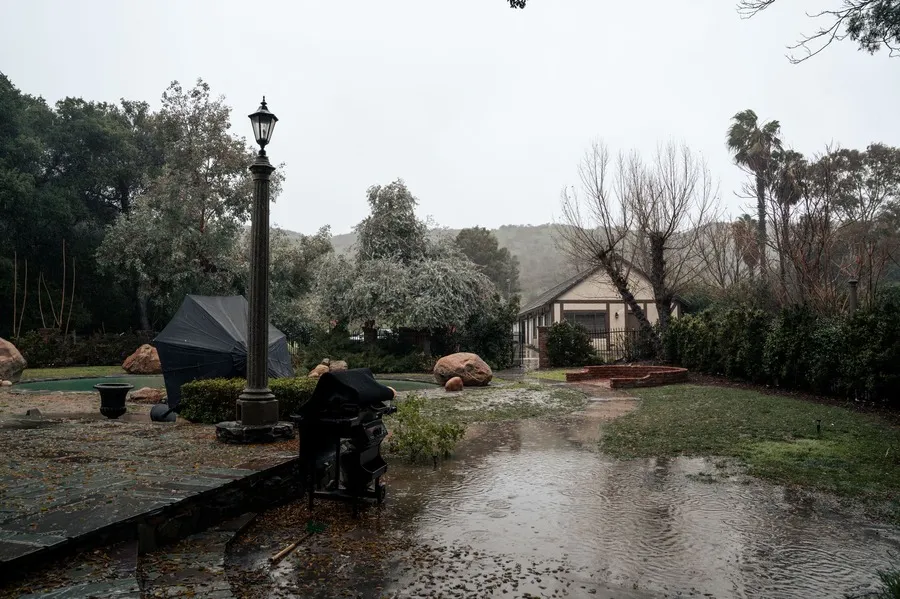
Yard Drainage Solutions
Standing water, soggy low spots, and erosion from Nashville's 47 inches of annual rain. Yard drainage systems that move water where it belongs.
Details →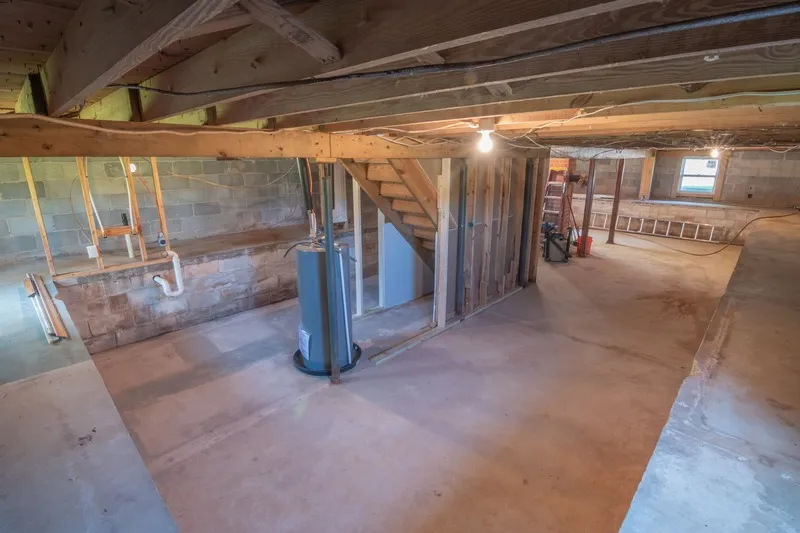
Basement Waterproofing
Interior drain tile systems installed beneath the basement slab to capture groundwater before it surfaces. Combined with sump pumps for complete basement waterproofing.
Details →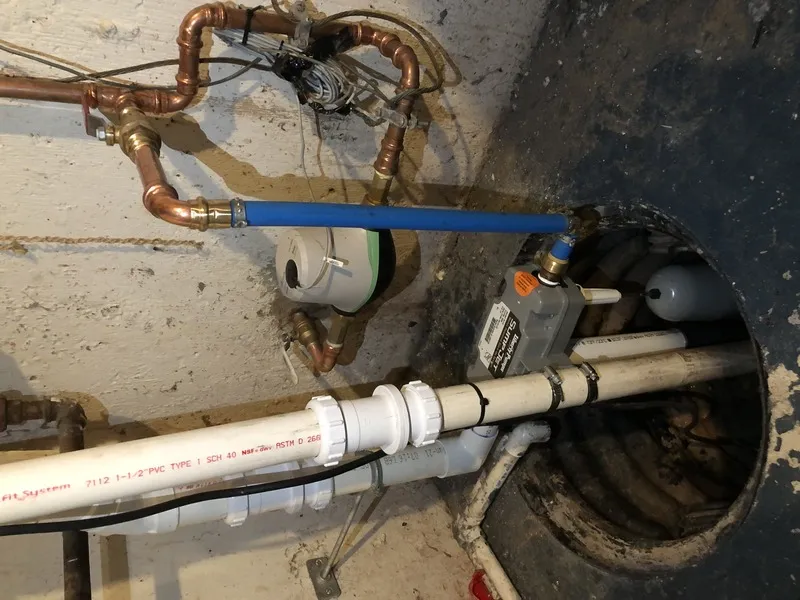
Sump Pump Installation
Primary and backup sump pump installation for Nashville homes. Pedestal and submersible systems, battery backup, and water-powered backup pumps.
Details →Signs Your Nashville Home Needs a French Drain
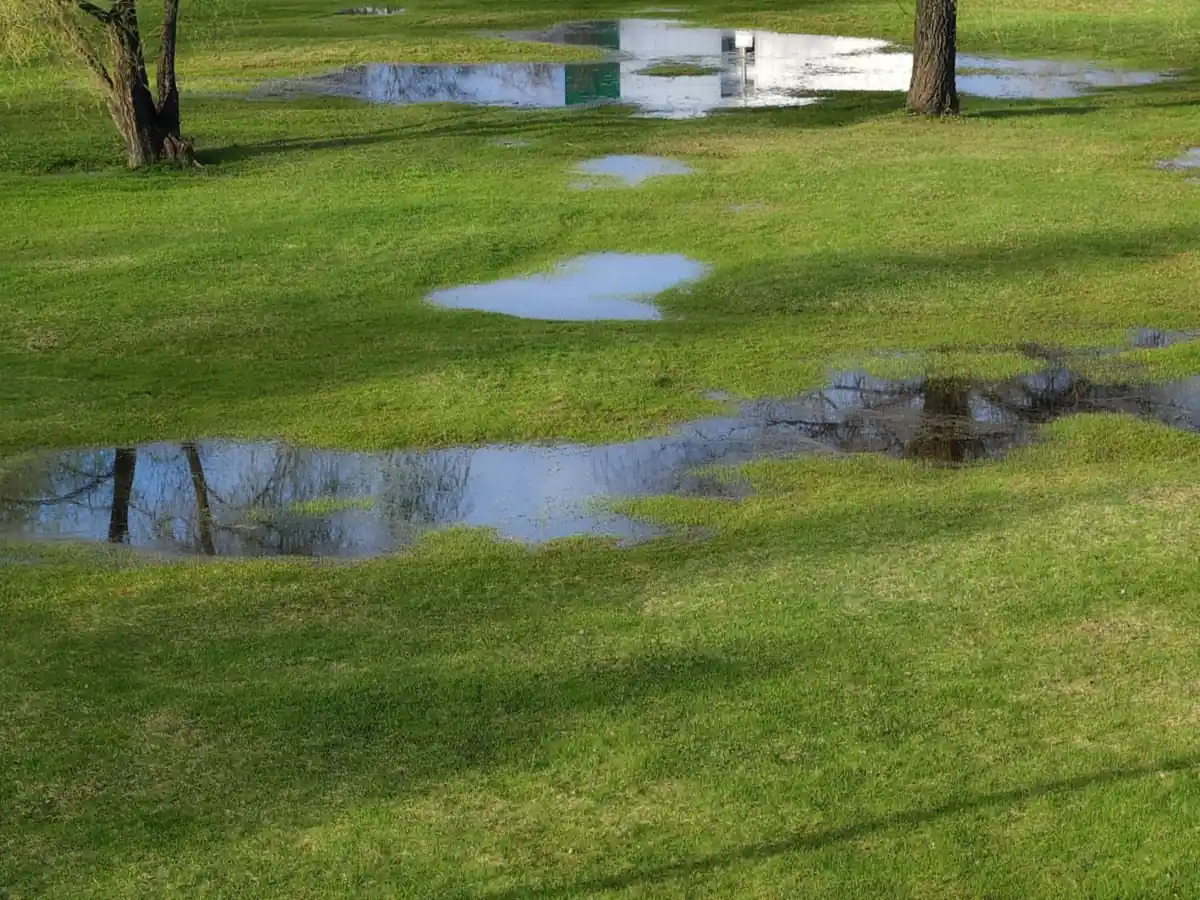
Middle Tennessee's clay soil and 47 annual inches of rain are a difficult combination. Water that can't absorb fast enough pools around foundations, floods basements, and saturates yards. These are the warning signs:
- Standing water that stays in the yard 24+ hours after rain
- Wet or damp basement walls after heavy storms
- Soggy lawn areas with moss or persistent mud
- Water stains on the lower foundation or basement floor
- Erosion channels forming in the yard after heavy rain
- Downspouts pooling against the house foundation
- Efflorescence (white mineral deposits) on basement walls
Built for Nashville's Drainage Challenges
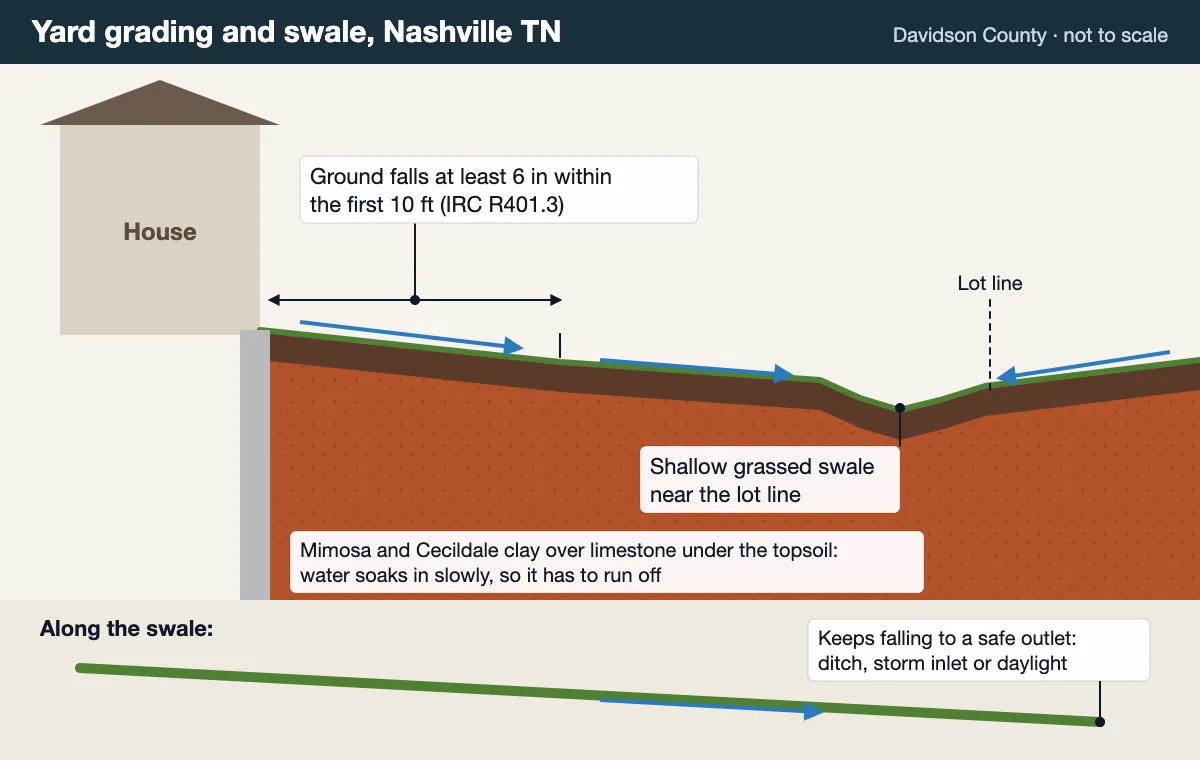
Nashville French Drains Co. is focused on one thing: getting water away from where it's causing damage. Nashville and Middle Tennessee have specific drainage conditions that generic solutions don't address well. The Cecildale and Mimosa clay soils that dominate Davidson County expand when wet and shrink when dry, creating constant movement that stresses foundations. The rolling topography in neighborhoods across Nashville concentrates runoff in low spots.
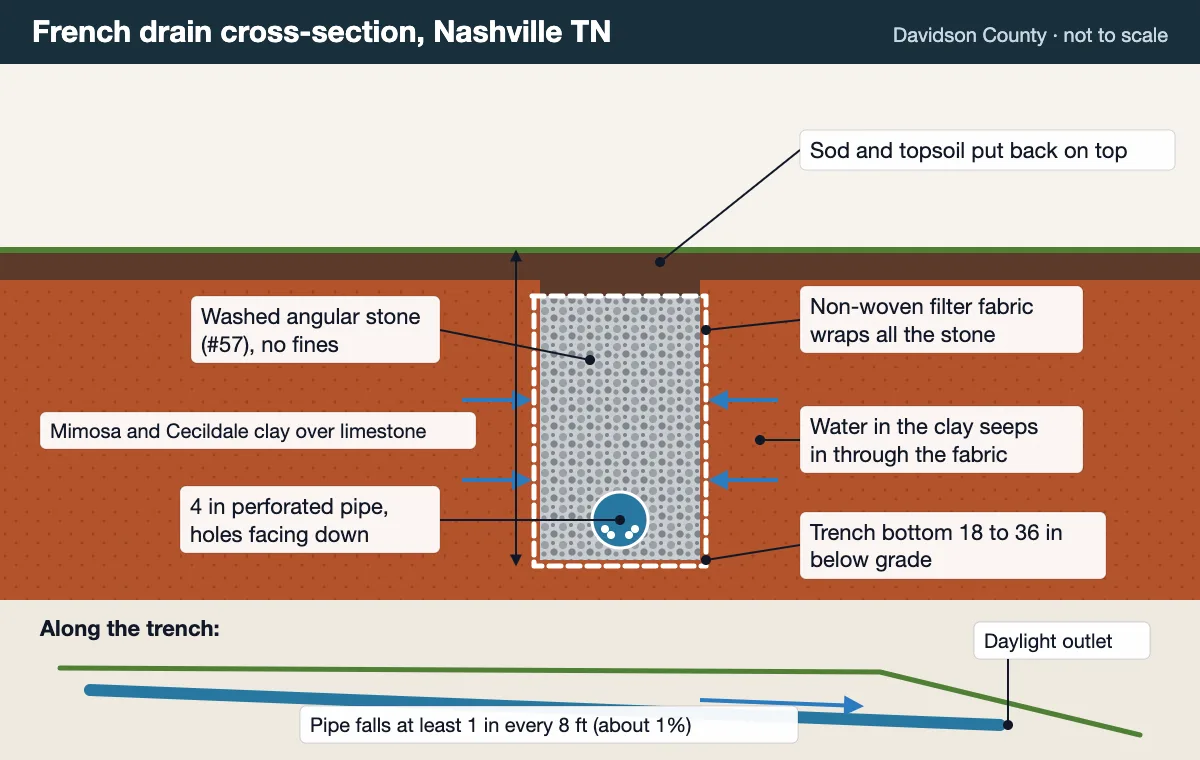
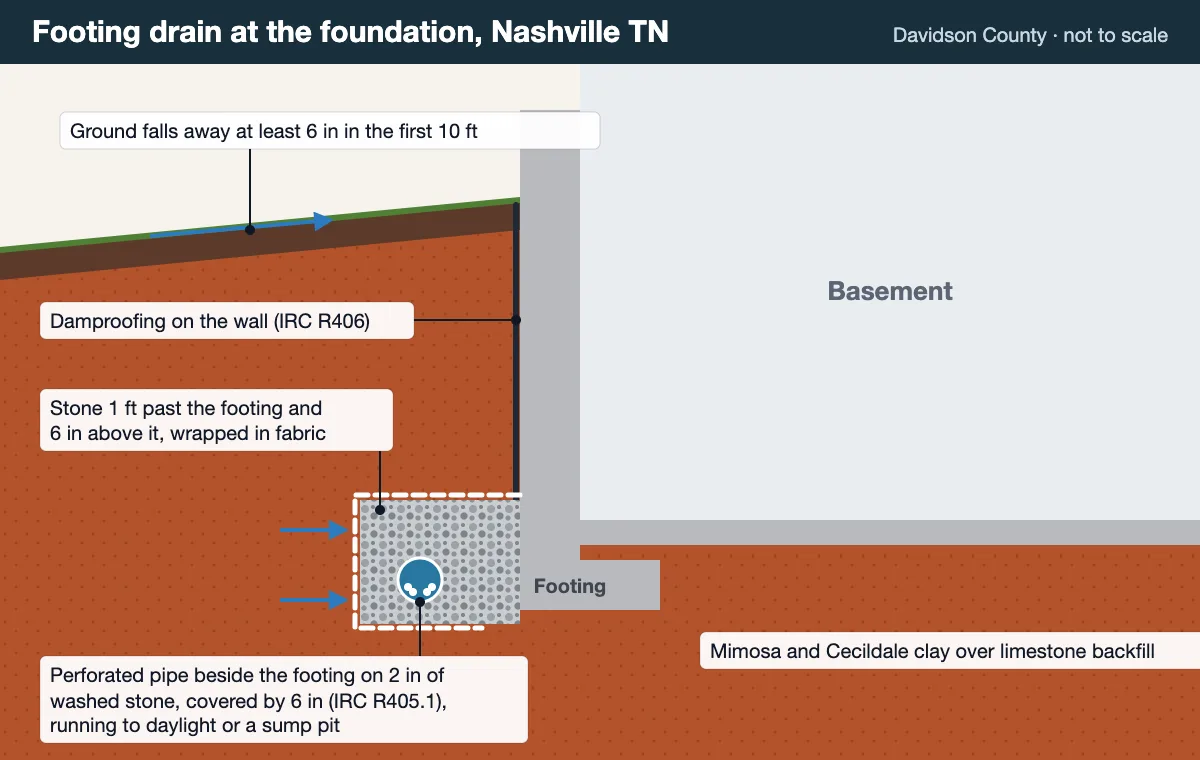
A french drain installed correctly in Nashville clay is not the same job as one installed in sandy Georgia soil or loamy Ohio topsoil. The trench needs to go deep enough to intercept groundwater, the pipe needs proper slope toward the outlet, and the geotextile fabric wrapping the gravel is non-negotiable in clay soil to prevent migration. Get any of those wrong and you'll be digging it up again in five years.
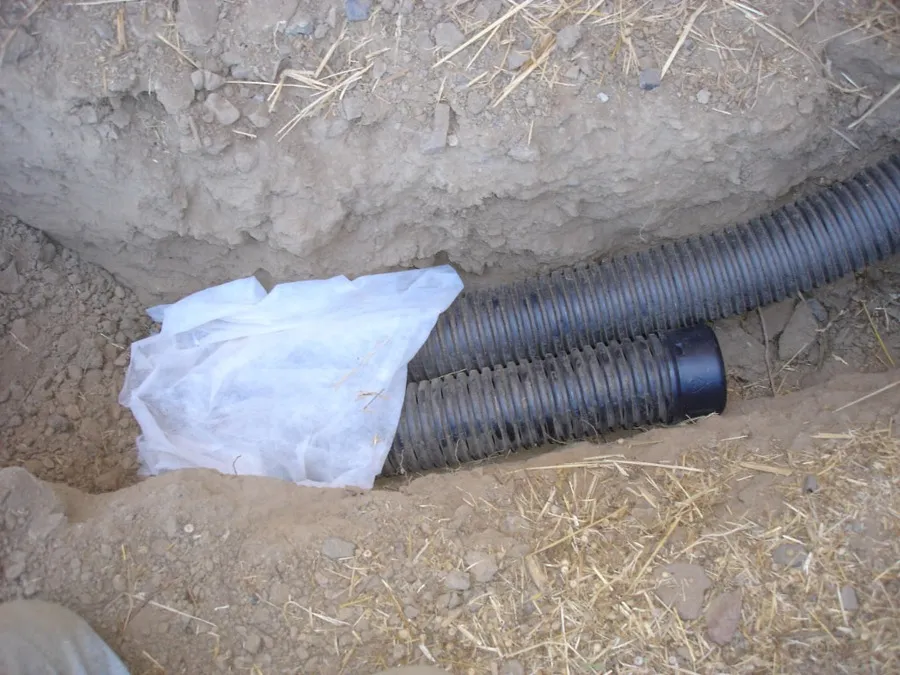
Pipe material matters just as much. Rigid perforated HDPE or PVC pipe is the right choice for a Nashville install. The flexible corrugated black pipe sold at home improvement stores collapses in compacted clay, has too small an internal diameter, and its corrugations trap sediment. And because these clays swell when saturated and pull away from the foundation when dry, a drain that intercepts groundwater before it soaks the soil against the wall breaks that cycle and reduces foundation stress.
We serve Davidson County and cover Brentwood and Franklin in Williamson County to the south. Free on-site estimates on every job.
French Drain Systems for Nashville Homes
Different drainage problems need different solutions. Here's what each system does and when it makes sense.
Exterior Perimeter French Drain
The most common fix for Nashville homes with wet basements, hydrostatic pressure on foundation walls, or water pooling against the house. The trench goes to footing depth (typically 36 to 48 inches on Nashville homes), lay perforated pipe in fabric-wrapped gravel, and route the outlet to daylight or a sump pit. Preferred when the foundation exterior is accessible.
Interior Drain Tile
When exterior excavation isn't feasible or the basement is finished, a narrow trench is cut along the basement floor perimeter and set the pipe at footing level beneath the slab, connected to a sump pit with a submersible pump. It captures water entering at the wall-floor joint, the most common entry point in Nashville basements.
Yard French Drain
For standing water, soggy areas that won't dry out, or erosion channels after rain. The design finds the low point collecting water, identifies the outlet (street, storm drain, or swale), and routes the trench to move water efficiently. Fabric is especially critical here, since yard drains are more prone to root intrusion and soil migration than foundation drains.
Curtain Drain
On hillside lots, groundwater migrates downslope and collects against the uphill side of the house. A curtain drain runs across the slope, uphill from the problem area, intercepting water before it arrives. Where a french drain runs along the foundation to collect water already there, a curtain drain stops it upstream, which often works better on Nashville's sloped lots.
Why Nashville Has So Many Drainage Problems
Nashville's 47 inches of rain fall across all four seasons with no distinct dry period, and Davidson County clay can't absorb heavy rain fast enough. Surface water heads for the lowest point available, which on many lots is the foundation. Homes at the bottom of a slope, in a swale, or below uphill neighbors whose runoff flows toward them are especially vulnerable.
Rapid growth adds to it. Many newer homes were built on sites with marginal drainage that worked when built but has deteriorated as surrounding development changed the local hydrology. In Brentwood and Franklin, new construction on clay fill with drainage that wasn't properly graded is a common call. Older Nashville neighborhoods have the opposite problem: homes built in the 1960s through 1980s often have footer drains that have silted up or failed entirely.
If you see water in the basement after Nashville rain, or yard areas that won't dry out between storms, the cause is almost always addressable with a properly designed drainage system.
Serving Nashville and Surrounding Middle Tennessee Communities
Davidson County and Williamson County. Call if you're not listed below.
Drainage Resources for Nashville Homeowners
Common questions answered in detail: cost ranges, permit rules, and Nashville's clay soil problem explained.

How Much Does a French Drain Cost in Nashville TN?
Real price ranges for french drain installation in Nashville and Davidson County, with every cost factor explained.
Read Guide →
Middle Tennessee Clay Soil: Why Drainage Fails Without the Right System
How Davidson County clay soil causes drainage failures, foundation damage, and basement flooding, and what actually fixes it.
Read Guide →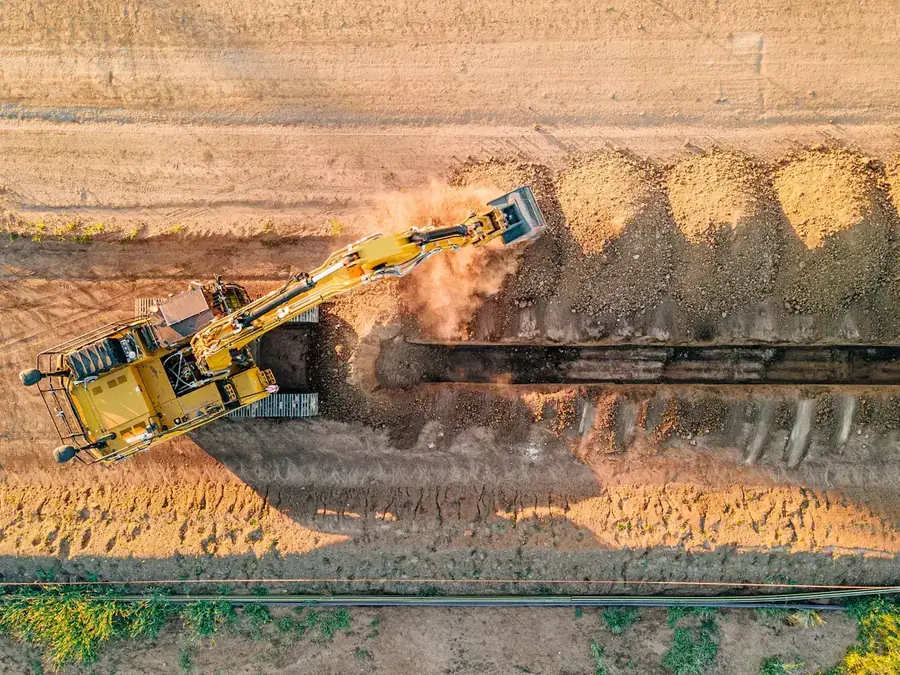
Do You Need a Permit for a French Drain in Nashville?
When Davidson County requires a grading permit and when residential drainage work is exempt, explained plainly.
Read Guide →How Nashville Drainage Projects Work
Request an on-site visit to walk the drainage problem and assess what's causing it. No charge, no obligation.
Ask for a written quote with a single number before any work starts, and that it only changes if the project scope changes.
Excavate, line the trench with fabric, lay a gravel base and rigid perforated pipe, backfill with gravel, fold the fabric over the top, and restore the surface. Typical jobs complete in one to two days.
30 to 40 year system lifespan. Ask for the workmanship warranty in writing before work starts.
French Drain Installation Nashville TN: Frequently Asked Questions
How much does a french drain cost in Nashville TN?
What causes drainage problems in Nashville TN?
Do I need a permit for a french drain in Nashville?
What areas around Nashville do you serve?
How long does a french drain installation take in Nashville?
How long does a french drain last?
How deep does a french drain need to be in Nashville?
Does a french drain need a slope to work?
Can I install a french drain myself?
Get the drainage problem assessed on-site with a written quote. Free, no obligation.